
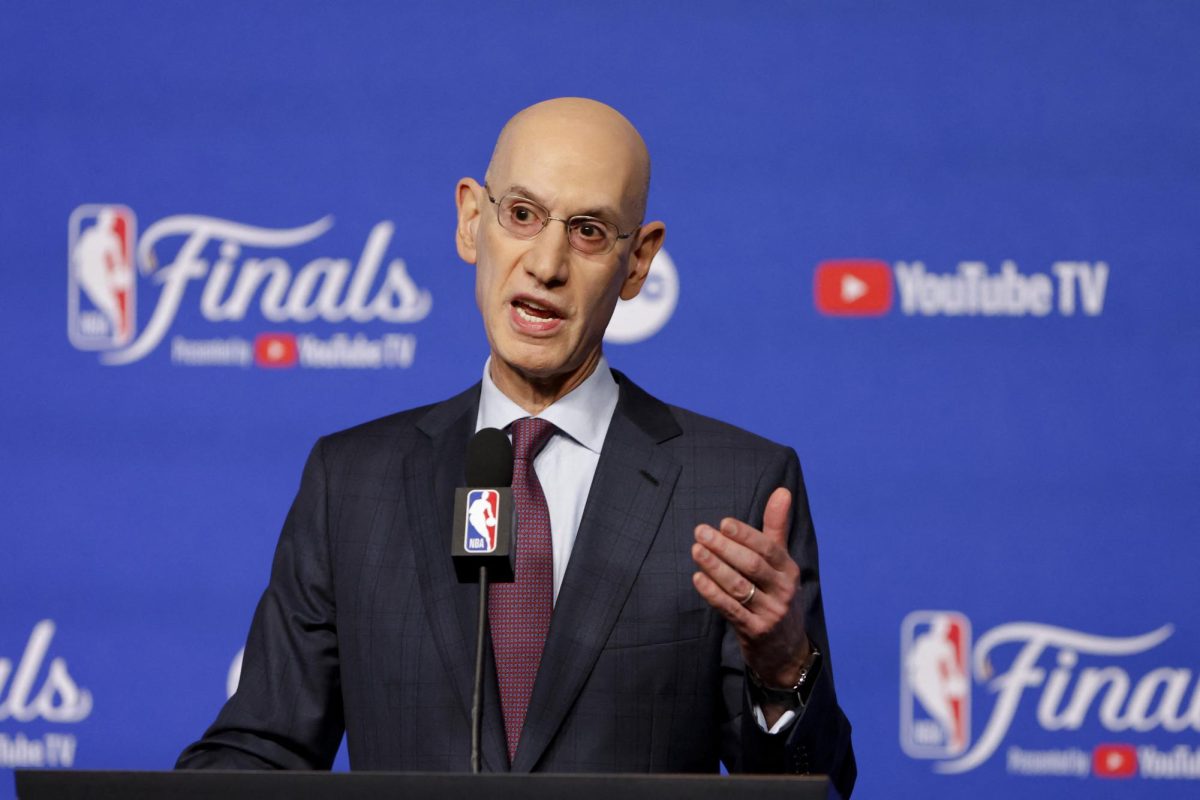
When NBA Commissioner Adam Silver was asked to comment on the arrests made in the FBI’s investigations of illegal sports betting, he said he was “deeply disturbed” by the allegations involving Miami Heat player Terry Rozier, Portland Trail Blazers head coach Chauncey Billups and former NBA player and coach Damon Jones.
“There is nothing more important to the league and its fans than the integrity of the competition. And so I had a pit in my stomach, it was very upsetting,” said Silver in an interview Oct. 24. “I guess I wouldn’t have predicted that my first interview on Amazon would be about sports betting.”
Considering the way the league has embraced the sports betting industry, what did Silver actually expect?
Given the omnipresence of gambling in professional sports, I find cases such as this to, quite frankly, be inevitable. Hindsight is 20/20, but it’s hard to imagine that the addictive nature of sports betting wouldn’t eventually affect even the most highly paid athletes and coaches.
Silver himself has been a staunch advocate for sports gambling, publishing a 2014 op-ed in The New York Times arguing for its legalization. The NBA, along with most other major sports leagues, has partnered with betting companies and made gambling an integral part of the professional basketball landscape.
The sheer amount of things that can be wagered on, from massive parlays to individual prop bets, makes the information held by players, coaches and team staff members a true premium in the context of a betting market. The allure of bagging substantial winnings put even those involved in professional sports in a compromising and potentially dangerous position.
Which is exactly why, when the NBA chose to partner so closely with the sports gambling market, safeguards should have been in place to protect and monitor its personnel. Instead, the latest betting scandal highlights that the league simply was not prepared to handle the consequences.
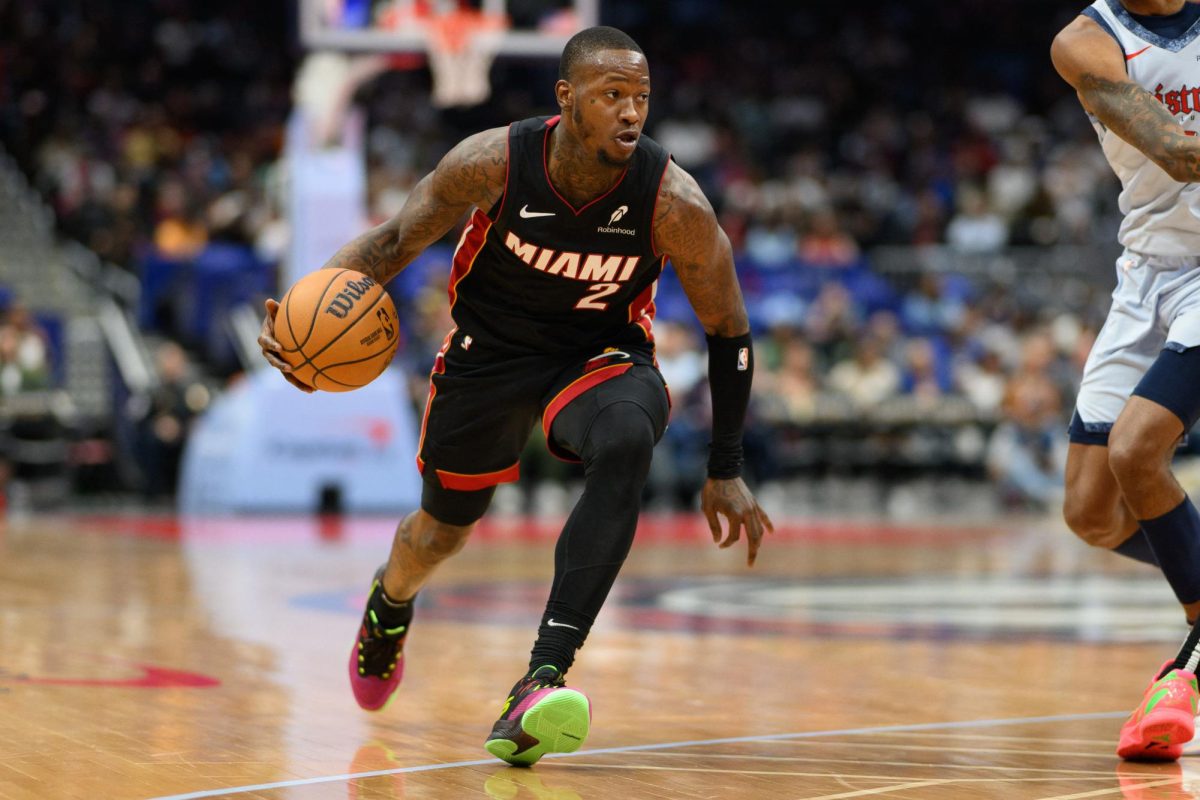
Earlier this year, the NBA cleared Rozier of any wrongdoing in a league investigation that linked him to suspicious betting activity. The FBI naturally has greater resources and authority as an investigative body, but it’s undeniably a bad look for the league after claiming to have found “insufficient evidence” while still acknowledging “aberrational behavior.” Now, with the FBI gathering enough evidence to justify Rozier’s arrest — though he remains innocent until proven guilty — it appears the NBA was more inclined to sweep the case under the rug and hope fans would forget the league’s ties to scandalous gambling behavior.
Rozier is not the only NBA player facing federal charges related to illegal sports betting. Jontay Porter received a lifetime ban from the league after being found guilty of violating NBA gaming rules, which included disclosing confidential information to bettors and placing bets on himself using a third-party account. Malik Beasley is currently under federal investigation for allegedly engaging in improper gambling on NBA games and prop bets.
The latest arrests are not exactly shocking for the league, but they do mark a turning point in what has become a troubling trend for the NBA and professional sports as a whole. This case underscores how the NBA is still in its infancy when it comes to navigating the sports betting industry. The risks tied to gambling are real and immediate, and every new scandal further undermines the league’s credibility and the trust of its fans.
The NBA is now facing a serious credibility crisis, as the shadow of fixed results and the influence of gambling loom over every game. If Silver truly wants to protect the integrity of the sport he claims to value, the league must confront its own complicity and have real, uncomfortable conversations about how to move forward with sports betting.
