
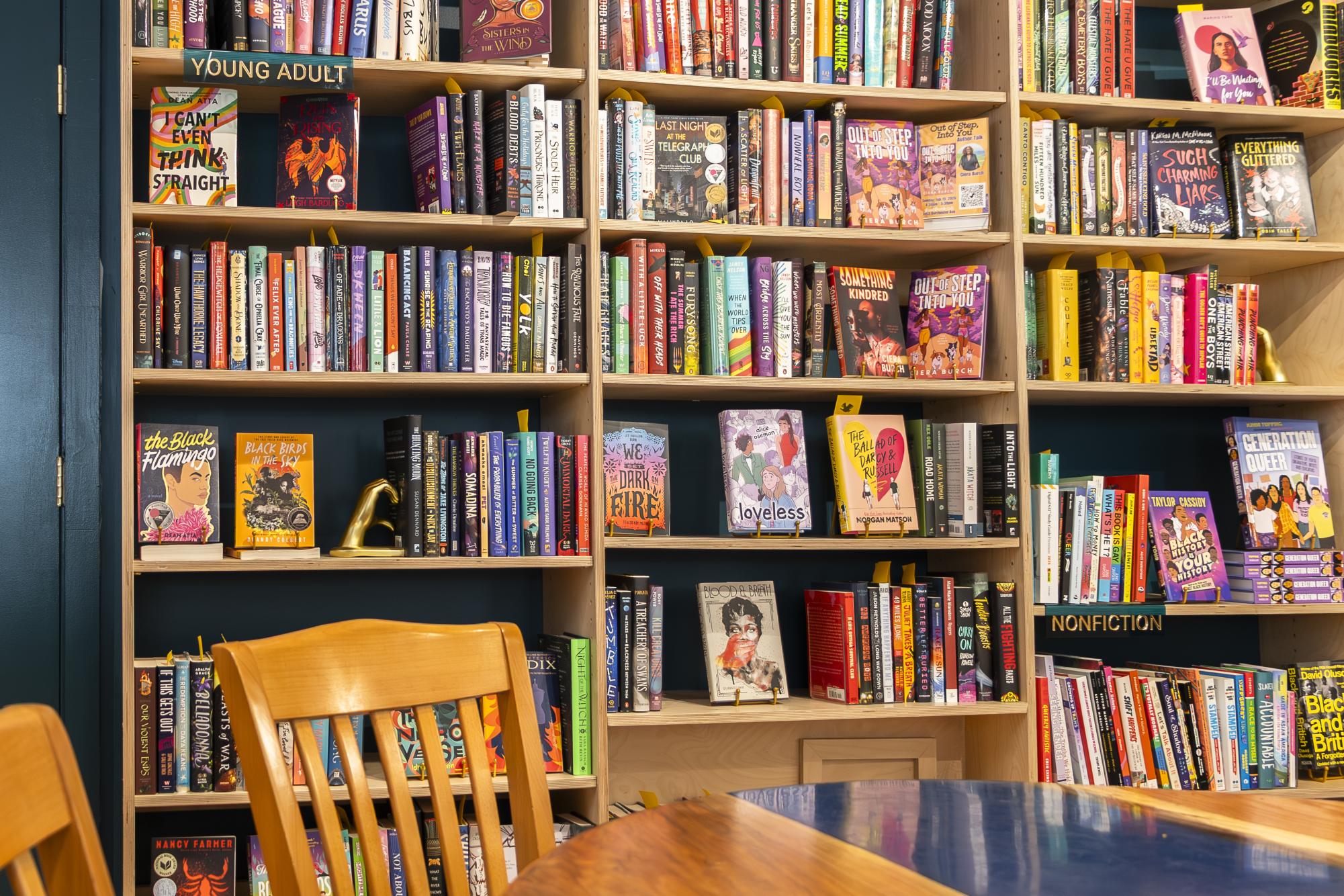
Boston has long been known as a literary city, but beyond classrooms and libraries, a strong book club culture continues to grow. From bookstores to cafes, readers are finding community through shared stories and conversation.
Many of the city’s active book clubs are hosted by independent bookstores, which have become gathering spaces as much as places to shop. Trident Booksellers & Cafe on Newbury Street is one of the most popular, holding multiple reading groups monthly. Its Romance Book Club attracts readers interested in contemporary and classic love stories, while its Sci-Fi Book Club focuses on speculative fiction and world building. The Romance Book Club meets monthly on Mondays from 7 to 9 p.m., while the Sci-Fi Book Club meets monthly on Wednesdays from 7 to 9 p.m.
On the other hand, the Silent Book Club offers patrons a quieter option. Participants bring their own books, read together and socialize afterward if they choose. Currently, the group meets every other Monday from 7-9 p.m. As always, updates for future gatherings and other event information is available on their events calendar.
In Harvard Square, Harvard Book Store hosts the Harvard Square Book Circle, a monthly book club open to the public. The group selects one book at a time and meets to discuss its themes, characters and broader cultural ideas. There is no cost to attend and no long-term commitment required, making it easy for students and community members to join whenever they are able. Information about monthly selections and meeting times are available on their website.
Porter Square Books also plays a major role in Boston’s book club scene. With locations in Cambridge and Boston, the store offers a wide range of clubs that cater to different interests. The Cambridge Edition Book Club features literary fiction and memoir reads, while genre-specific options include a Sci-Fi and Fantasy Book Club, a YA Book Club and a Romance Book Club. Porter Square Books also hosts silent reading groups at both locations, giving readers a chance to share spaces without the pressure of discussion or assigned reading. Information about more clubs and meeting times is available on their website.
Outside of bookstores, independently organized book clubs are growing through social media and online platforms. Boston Bookclub, part of Zibby’s Book Club network, meets monthly at rotating locations around the city. With over a thousand members, the club provides a space for book lovers to find a community through shared interests, blending literary discussion with social connection.
Other groups have formed more informally. Boston Book Lovers began as a South Boston-based Instagram account before turning into a monthly meetup. During warmer months, members gather at parks or the beach to discuss their chosen book, sometimes bringing themed snacks or activities. The club’s relaxed approach highlights how book clubs can be social events as much as literary ones. The group currently meets on the last Wednesday of every month.
Meetup has also helped niche reading communities take shape. Groups like the Boston Book Club 20s-30s are geared toward younger adults and professionals. Some meetings do not require everyone to read the same book. Instead, participants share what they are currently reading and why they enjoy it. This flexibility appeals to readers with busy schedules or varied tastes.
The rise of silent reading clubs and low-commitment groups reflects a shift in how people engage with reading. Many clubs focus less on finishing a specific book and more on setting aside time to read in a shared space. For some, that structure makes it easier to return to reading as a regular habit.
For students, book clubs offer a break from academic reading while still encouraging thoughtful conversation. For longtime residents, they provide a way to stay connected to new ideas and meet people across neighborhoods.
