
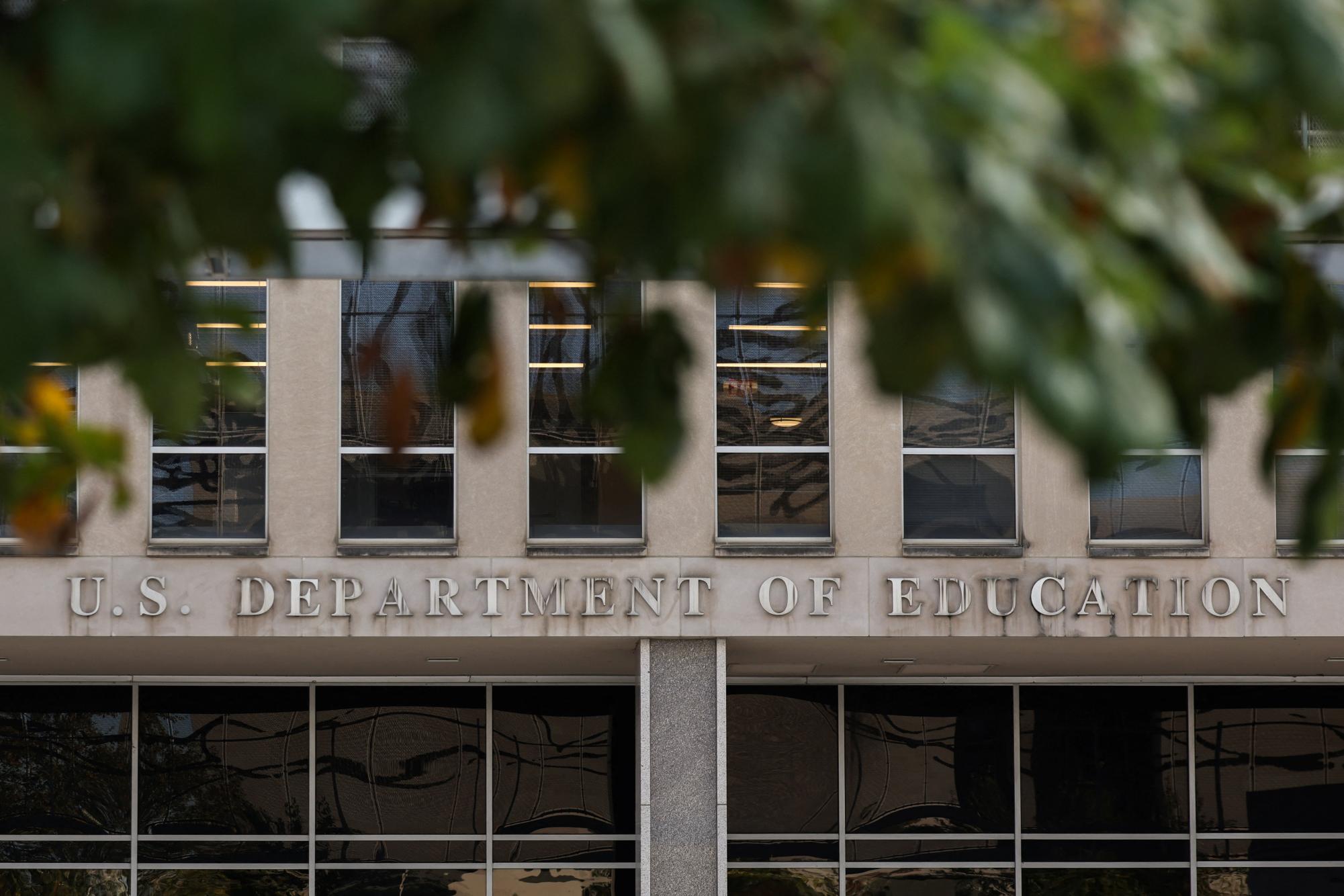
Changes to the Department of Education, including those that modify the definitions of professional degrees eligible for increased federal subsidies, have sparked backlash across the country.
The change would come under Trump’s “Big Beautiful Bill,” passed by Congress in July. It reclassified many degrees and stripped them of their “professional” label, which would limit students pursuing these programs from procuring more federal loans. Degrees in fields such as nursing, education and social work will no longer be labelled as professional degrees, which the administration states is a way of convincing universities to lower their tuition costs.
“I don’t know if they can [reduce costs],” said Joyce Edmonds, chair of UMass Boston’s nursing department. “Nursing faculty are already underpaid. I think the reaction should be evidence-based: what is the cost of higher education, what is the average loan burden of people who complete advanced degrees in nursing … how much federal loans do they require … I think it’s important to take a look at the tuition structure of our graduate education and make it as accessible as we can.”
Nursing organizations also believe that the cap on federal loans will further worsen the ongoing nursing shortage. “Some of our undergraduates come in and obtain a registered nurse license with the goal of having a career,” Edmonds said. “If they see limitations to their ability to see that career trajectory forward, then yes, it could certainly contribute to the existing nursing shortage. It’s that whole academic pipeline, so it really hinders progression.”
The Department of Education claims this is the work of “fear mongering” from “certain progressive voices,” as the loan limits are only applicable to graduate programs that much of the nursing workforce do not participate in.
“The definition of a ‘professional degree’ is an internal definition used by the Department to distinguish among programs that qualify for higher loan limits, not a value judgement about the importance of programs,” the Education Department wrote in a Nov. 24 fact sheet. “It has no bearing on whether a program is professional in nature or not.”
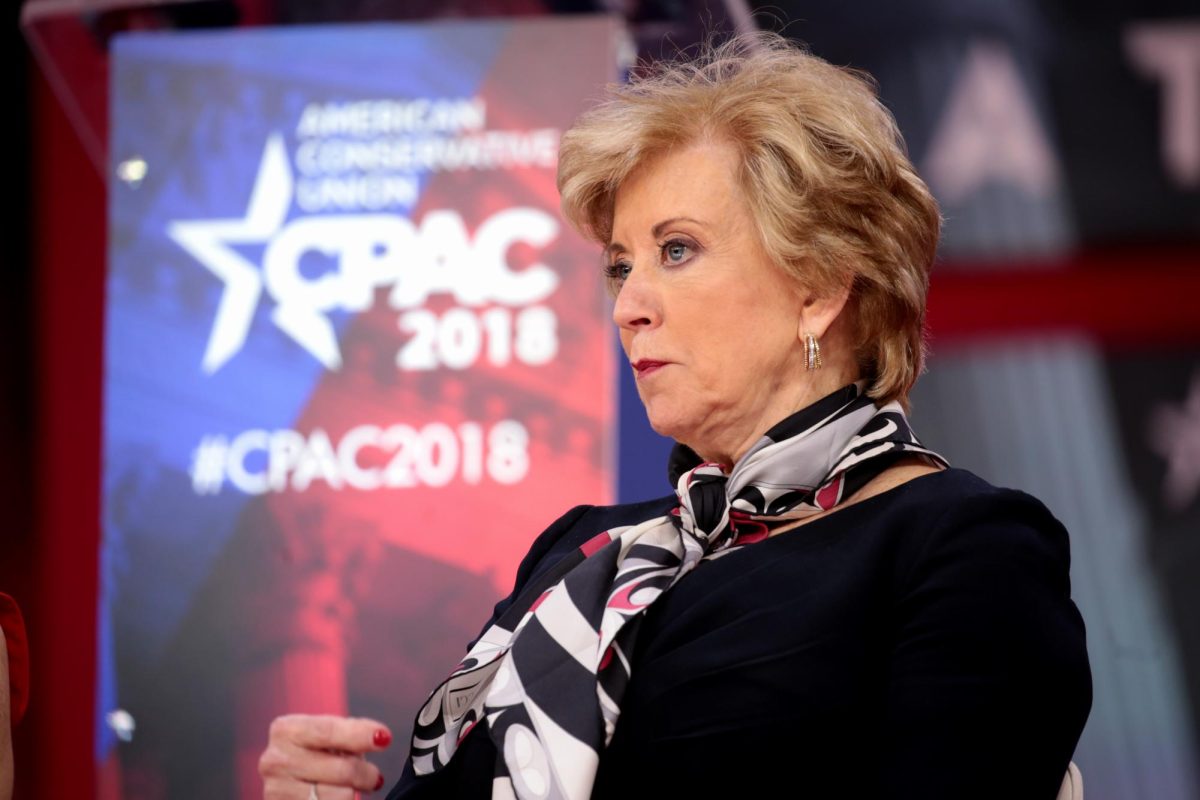
McMahon and the Trump administration also announced plans Nov. 18 to further transfer the Education Department’s duties over to other departments, which is yet another step in their broader plan to close the department entirely.
“The Trump Administration is taking bold action to break up the federal education bureaucracy and return education to the states,” McMahon said in a Nov. 18 statement. “Cutting through layers of red tape in Washington is one essential piece of our final mission … together, we will refocus education on students, families, and schools – ensuring federal taxpayer spending is supporting a world-class education system.”
Under the new plan, the Department of Labor will manage grant funding originally given by the Office of Elementary and Secondary Education, as well as postsecondary grants like TRIO. The Health and Human Services Department and the Department of the Interior will also take over duties from the Education Department.
In response, an education coalition sued the administration, claiming McMahon does not have the authority under Congress’s appropriations law to make the changes she has proposed.
The complaint, filed Nov. 25, amends an ongoing lawsuit filed in March against the Trump administration, in response to which the U.S. District Court for the District of Massachusetts had previously blocked the administration from firing many DOE workers. The Supreme Court temporarily paused the block in July, allowing the cuts to continue as the lawsuit moves through the courts.
“Because the Department of Education was created by Congress — and mandated by Congress to operate various programs for the benefit of America’s students, parents, and schools — it cannot be eliminated by the President or the Secretary of Education,” the coalition said in a Nov. 25 press release. “From distributing funds to helping schools educate students with disabilities, to providing support and assistance to parents and families, protecting students’ civil rights, and making sure higher education is affordable for students, the Department’s work is essential to the success of students.”
Once the Department of Education releases a Notice of Proposed Rulemaking, a 30-day public comment period will open. Students are encouraged to provide feedback.
“People should be prepared and tracking that, so when that opens there can be an evidence-based response as to why … graduate nurses should be eligible for the full scope of loans,” Edmonds said. “If we’re not a profession, what are we?”
