Let’s face it: shopping for fashionable, good-quality clothing is no longer affordable.
Today’s clothing stores are filled with cheaply made garments that are all unreasonably expensive. For years, thrift stores have served as an alternative for shoppers on a budget, but an extreme increase in prices has turned thrifting from an affordable option to just another money burner.
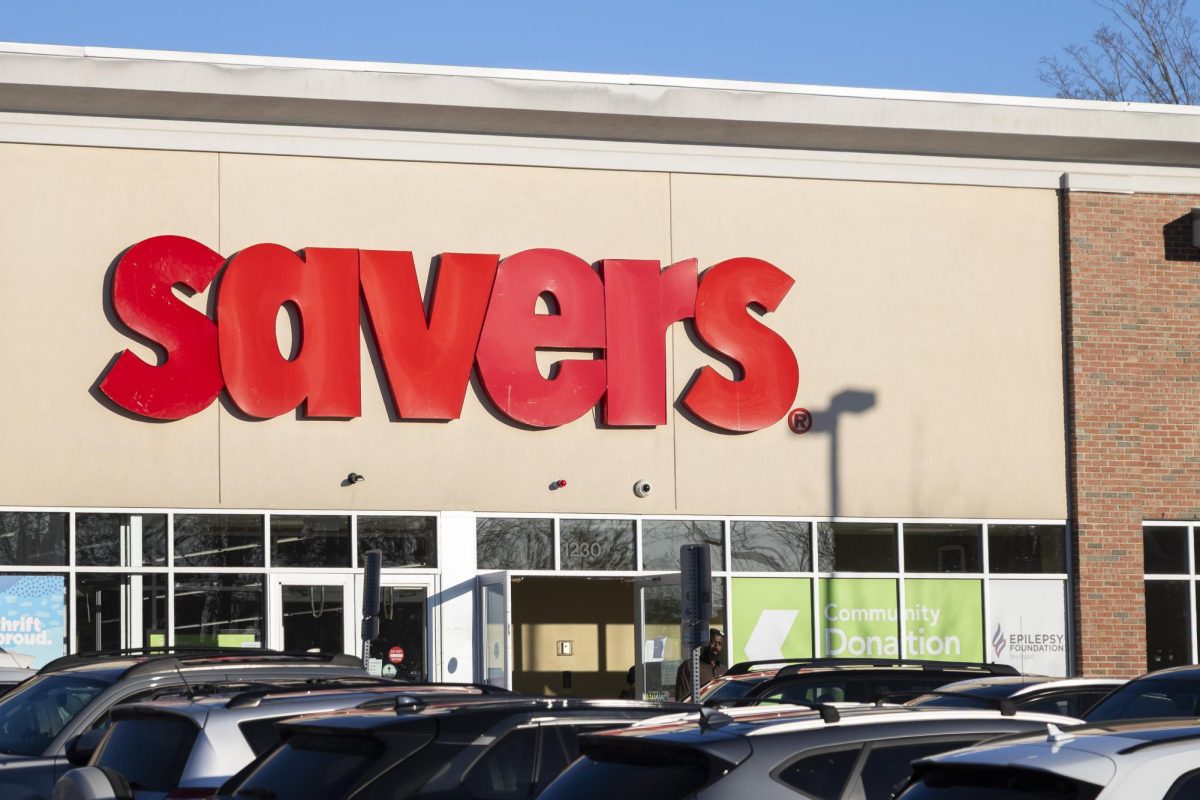
Back in 2015, on certain days, Savers would let customers stuff an entire bag with clothes and only pay $5 for the entire thing. Today, you would find a woman’s sweater with loose threads marked up at $13. That’s almost an entire hour of work at minimum wage for a used sweater that Savers got for free.
Placing the blame on inflation is a sorry excuse made up by these stores’ CEOs. When it costs you a whopping zero dollars to produce the product you’re selling, there should be absolutely zero reason why your prices rival those of retail clothing stores. I have even found clothing at thrift stores priced higher than what they cost brand new.
It’s not a simple supply and demand issue either. 92 million tonnes of textile waste end up in landfills each year, some of which comes from the thrift stores’ own unsold merchandise. There is more than enough supply to cover the increased demand.
Big-chain thrift retailers like Savers and Goodwill have taken advantage of the increased interest in shopping affordably and sustainably. When the pandemic started, many lost their jobs and turned to second-hand stores to help fulfill their clothing needs. Instead of appreciating this new popularity, Goodwill and Savers have been increasing their prices in an effort to satisfy their insatiable corporate greed.
Goodwill isn’t the innocent non-profit many think it is. The company prides itself on “giving back to the community,” and “creating opportunities,” yet it has a history of paying its disabled workers less than minimum wage. Its CEOs are happy with salaries well over six figures, all the while burying expenses like tens of thousands of dollars in bonuses in mountains of tax forms.
Goodwill also trains its employees to look for items of value, pull them from their stores, and place them for sale on their online bidding site. Yes, a non-profit charity has a bidding site where they hike up the price of the merchandise they got for free. It is despicable and shameless.
Reselling apps certainly aren’t helping this crisis either. Resellers will snatch up clothing from Goodwill bins, where customers can sift through donations not yet looked at, and pay by the pound. If you have ever been to the bins, you know how competitive it can get because of these resellers. After snatching the good items up, resellers will list them on websites like Depop, Poshmark or Grailed, all while outrageously hiking up the price.
Thrifting is no longer fun. Finding something unique for a great price used to make the whole ordeal worthwhile. You would never know what you’re going to get. Now, constant competition from resellers and ridiculous costs have made thrifting unappealing. I don’t blame shoppers who tag switch with how brutal it is out there!
Clothing isn’t just something to prevent yourself from being naked, it is a way to express yourself creatively. If you’re tired of the greed of companies like Savers and Goodwill, I would suggest going to local, community member-owned thrift stores. A great one is Urban Renewals in Roslindale. Small businesses like those do way more for communities than big chain thrift stores ever could.