
Temporary Protected Status protection for Haitian and Syrian residents is currently before the Supreme Court, as arguments for cases Trump v. Miot and Mullin v. Doe were heard April 29.
This comes off the termination of TPS residents from six different countries by former Department of Homeland Security Secretary Kristi Noem, as well as seven ordered terminations which are currently paused by court orders. The termination of these protections has left over a million working residents in the U.S. in a position of uncertainty.
The TPS program was initially established by Congress as a part of the Immigration Act of 1990. It was designed to grant asylum to citizens of countries facing armed conflict, natural disasters and other humanitarian crises. It provides a bulwark against deportation and allows recipients to work legally within the U.S., but it does not provide a pathway to citizenship.
1.3 million immigrants fell under the protection of TPS as of March 2025. The systemic dismantling of TPS immediately followed the inauguration of the Trump administration as a part of their larger campaign against immigration. Under the stipulations of the program, the DHS secretary has the ability to extend TPS once the deadline for the previous extension date occurs. They can discontinue the status or extend it for a six, twelve or eighteen month period.
The first termination by Secretary Noem occurred February 5, 2025, rendering void the protected status of over 350,000 Venezuelans who were designated in 2023. Over the next five and a half months, Noem did the same for five other countries, nullifying the protected status of over 100,000 people. Notably among those countries were Honduras and Nicaragua, who had been protected since 1998. The final termination was in July 2025, covering the 2021 TPS designation for Venezuela that constituted roughly 250,000 U.S. residents.
Following that termination, each further attempt by the Trump administration to nullify protected status has been blocked by the ruling of federal judges. Many of these rulings have been contested by the Trump administration and appealed, which sends them to higher federal courts. If the termination pause is upheld, the cases can go all the way up to the Supreme Court upon further appeals.
The most recent development in these litigation battlegrounds is a block of the May 4 termination of TPS for Yemeni residents, which a federal judge ordered May 8. This order is of a smaller magnitude than some cases, affecting roughly 3,000 current US residents, yet it contributes to the judicial pushback against the Trump administration’s efforts to dismantle TPS en masse.
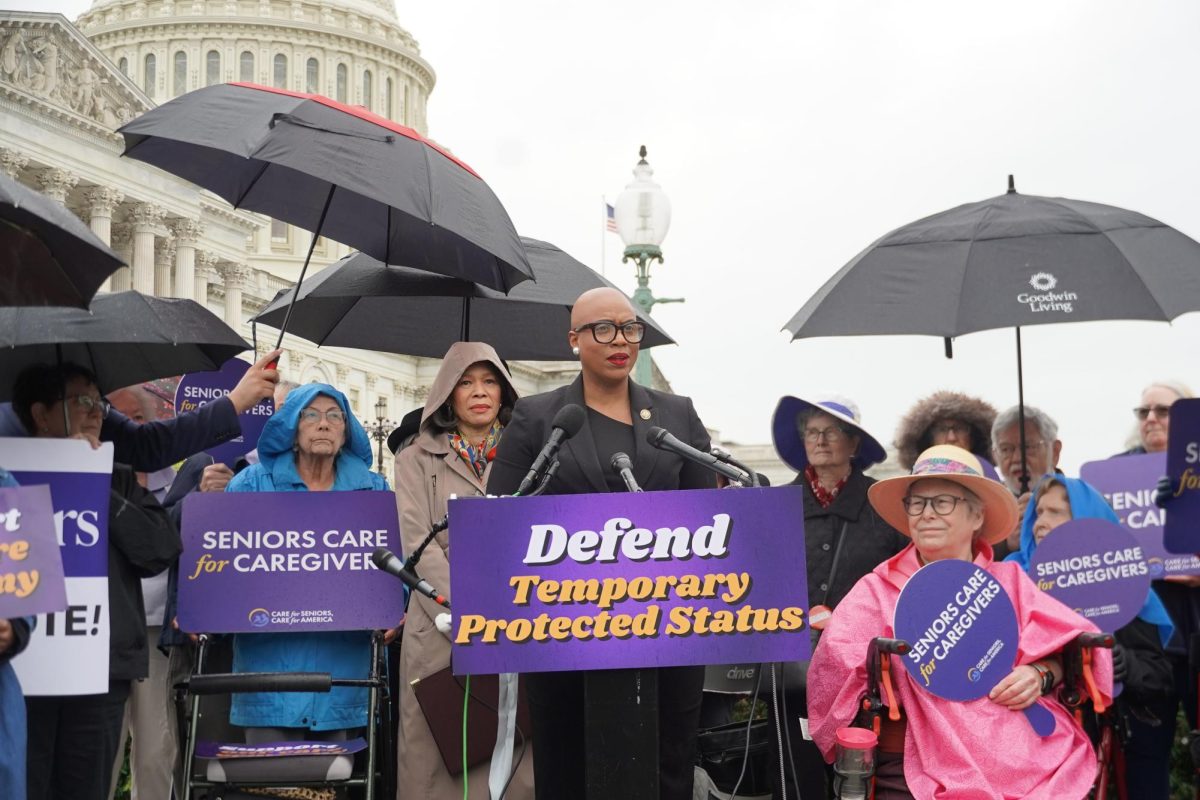
Ahead of the Supreme Court hearing arguments, several Massachusetts Congress members issued statements at an April 28 press conference vehemently urging SCOTUS to defend TPS. 45,000 Haitian residents under TPS reside in Massachusetts, and their fate has implications on the wider 1.3 million in the US.
“Every day, TPS holders contribute their hard work and support to our communities,” said Senator Ed Markey. “[They] are nurses, assistants, health aides, childcare workers, and more.”
Markey was joined by Congresswoman Ayanna Presley, who said, “TPS holders serve as a backbone for families and our economy — caring for our elders and loved ones through illness, strengthening our communities, and making innumerable contributions daily.”
Expiration dates of the current TPS designation periods for Lebanon, El Salvador, Sudan and Ukraine are due in the next few months, ranging from May 27 to October 19. The battle over immigrant rights and the U.S.’s commitment as a safe haven for asylum seekers continues, with the Trump administration and federal judges at odds to determine the future of these jeopardized communities.