


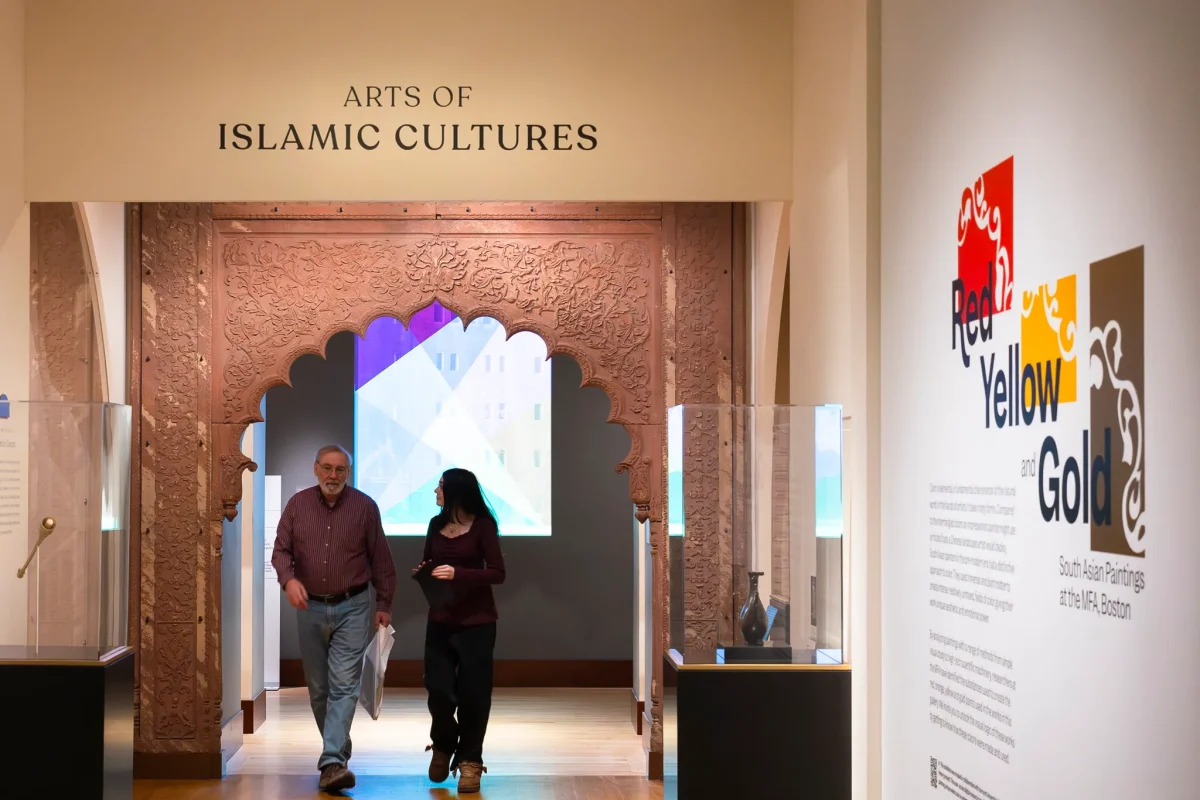
Boston’s Museum of Fine Arts has faced criticism for laying off 33 of its employees Jan. 30, many of whom were involved in programs and exhibits around diversity.
The announcement was made public Jan. 27 through the Boston Globe, which reported on internal emails received Jan. 26 by affected staff. The emails cited financial deficits that required a reduced workforce.
“In order to address a growing structural deficit and better serve our audiences, we are moving forward with a comprehensive plan to realign our organization and create a sustainable business model,” the MFA wrote in a Jan. 28 statement. “Unfortunately, this plan includes the painful but necessary step of implementing a workforce reduction that calls for the elimination of 6.3 percent of total active employees. Leadership came to this decision only after careful consideration and extensive analysis.”
The employees laid off include Curator of Fashion Arts Theo Tyson, Associate Curator of Native American Art Marina Tyquiengco, and Assistant Curator of Islamic Art Nadirah Mansour. They are the MFA’s only Black, only Indigenous, and only Muslim curators, respectively. Senior Manager of Equity Programs and Audience Development Monica Irina Garcia and Senior Director of Belonging and Inclusion Tracy Brown were also among those fired, further fueling accusations that the museum may be abandoning its dedication to diversity, equity and inclusion.
“At a moment marked by intensified state violence and the continued erasure of marginalized histories, cuts to curators and educators working with these collections contribute to a broader backlash against hard-won progress,” faculty and librarians at the Massachusetts College of Art and Design wrote in a Feb. 2 letter to the MFA. “The consequences extend beyond staffing decisions; they affect students, pedagogy, and the ethical commitments cultural institutions publicly claim to uphold.”
In a Feb. 5 statement, MFA Director Pierre Terjanian wrote that the museum “took steps to ensure that cuts would not disproportionately impact any groups based on their background or identity” and claimed the museum still had about a third of its staff identify as people of color. Senior Director of Marketing and Communications Karen Frascona wrote in a statement to The Mass Media that the museum is still committed to its mission of inclusivity, diversity, equity and accessibility, also known as the IDEA framework.
“We are focusing on integrating our IDEA values across all functions rather than siloing them in a single office,” she said. “Resources have been re-allocated to the Department of People and Culture (formerly HR department) to support a new Manager of Staff Development and IDEA. This new position will focus on professional development and workplace culture, and will oversee inclusion and belonging initiatives.”
The MFA Union, which is represented by the United Auto Workers Local 2110, wrote in a Jan. 28 Instagram post that they “only learned about the layoff late in the day yesterday” and “the Museum only just notified us about who in our union is specifically on the layoff list.” They reported that 16 members of the union were involved in the layoffs, about half of the total number of employees fired.
“The Museum welcomes conversations with the Union and the parties are currently bargaining in good faith over the impact of the RIF,” Frascona said. The MFA Union could not be reached for comment.
This isn’t the museum’s first time implementing wide layoffs. In 2020, 57 staff members were laid off during the pandemic, and then-director Matthew Teitelbaum took a 30% pay cut to offset the museum’s deficits. Even with this year’s staff cut, the museum still has about a $7.6 million deficit that they will have to cover. Frascona said the MFA anticipates “cost reductions over time” in addition to the current staff cuts and will “continue to look for further savings and new revenue streams as we activate this new model.”
“While layoffs then were necessary due to the Museum’s closure, the six years since saw dramatically rising costs across all aspects of the MFA’s operations, an incomplete recovery in visitation numbers, and other external challenges facing the entire cultural sector,” Frascona said. “We recognized that a staff reduction and reorganization would be necessary to bring down the deficit and protect the MFA’s future.”
